
The Geometry of Sound: How the Artistic Patterns of Geosynthetics Mirror Rhythm and Musical Repetition
Sound waves move in repeating cycles, and these cycles form the basic structure of music. This simple fact helps explain why the world of engineering often overlaps with the arts. When people look closely at geosynthetics, especially woven materials used to stabilize soil and shape modern infrastructure, they notice patterns that echo the rhythm and order found in music.
These patterns show up even in practical tools such as drainage systems. The structured grids and woven layouts guide water with the same clarity that a steady beat guides a song. This surprising connection opens the door to a fresh way of seeing infrastructure, where function and form share the stage.
The Rhythm Inside the Material
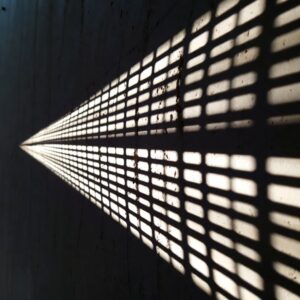
Geotextiles, geomembranes, and geogrids often use repetitive lines and cross woven fibers. These shapes create mechanical strength. At the same time, they form visual sequences that mirror musical rhythm. A musician counts beats. An engineer counts tensile strength. Both rely on repetition and pattern to shape something stable.
Consider how a woven geotextile forms a grid of tiny squares. Each square repeats at precise intervals. This creates a visual tempo. The eye follows the lines the same way the ear follows a steady drum pattern. The result feels orderly and almost artistic, even though the material is designed for heavy work under the ground.
Readers who enjoy exploring how creative expression shapes modern spaces may also appreciate insights into art and music culture in dynamic urban settings.
Harmony Beneath the Surface
Although people usually associate harmony with sound, harmony can also describe balance between elements. Geosynthetics bring order to soil, water, and structure. They balance forces that would otherwise shift or collapse. This is similar to how harmony balances different musical notes to create a full, pleasing sound.
For example, soil reinforcement uses layers of geogrids to form structured support. Each layer contributes a specific role. Together, they build strength. This layered approach resembles musical chords, where multiple notes come together to create depth. The beauty lies in that combination, even when buried beneath a road or embankment.
Visual Music Inside Engineering
The repeating patterns inside geosynthetics often resemble sheet music. Straight lines create a sense of direction. Diagonal weaves build tension. The interplay of dark and light fibers creates contrast, like high and low notes on a staff. Engineers may see data. Artists may see rhythm. Both perspectives are valid, and both reveal the creative side of infrastructure work.
Some designers have even begun using these patterns in public installations. When illuminated, woven geotextiles cast shadows that look like modern art. The geometric consistency makes those displays feel calm and organized. It shows how the same patterns that help stabilize slopes or support roads can also inspire galleries and classrooms.
Where Function Meets Expression
Patterns inside geosynthetics reflect more than strength. They show purpose. They help guide movement and shape landscapes. And they echo the same principles that underline music rhythm, repetition, cadence, and flow. As infrastructure design becomes more transparent and appreciated, the artistic value of these materials becomes clearer.
Engineers often speak about efficiency. Artists speak about expression. Yet both groups understand the power of repeated forms. These forms guide behavior. They move energy. They create stability. This is why even inside everyday construction work, people can find visual and conceptual links to the arts. Materials that handle soil and water, including those that support modern drainage systems, share a deeper connection with music than most people realize.
The Creative Future of Infrastructure
As more cities embrace sustainable engineering, geosynthetics continue to gain attention. They reduce waste, improve stability, and open new options for eco friendly design. But they also offer a chance to connect the technical world with creative thinking. Students, designers, and planners can learn from these repeating shapes. They can explore how technical patterns spark new artistic ideas.
In many ways, the geometry inside these materials reminds people that engineering and art do not belong in separate silos. Both value repetition. Both rely on structure. And both inspire progress.
Conclusion
The repeating patterns found in geosynthetics prove that infrastructure can be both practical and artistic. These woven shapes mirror musical rhythm and show how sound and structure share the same language of repetition. Whether supporting soil or guiding water through drainage systems, these materials create order that feels almost musical. This fusion of design and performance shows that creativity can thrive anywhere, even under roads and embankments.
